Get Disability Shower Installation
Disability shower installation services help property owners upgrade or modify bathrooms to improve safety, accessibility, and independence for individuals with mobility challenges.
If you're considering installing a disability shower, you're in the right place to explore your options. Property owners in the area often look into accessible bathroom upgrades to enhance safety, convenience, and independence. Whether planning a new installation or upgrading an existing space, understanding the practical benefits can help inform your project. Keep reading to learn how local contractors can assist in creating a functional and accessible shower space tailored to your needs.
Comparing local service providers can help ensure you find the right fit for your project. Many property owners seek experienced contractors who specialize in accessible bathroom installations, offering solutions that prioritize safety and ease of use. By exploring your options and gathering information, you can make informed decisions about how to best approach your disability shower installation. Continue reading to discover how local experts can support your project goals.
- Disability Shower Installation - needed when accessibility modifications are required to ensure safe and easy shower use.
- Walk-in Shower Conversion - appropriate for individuals transitioning from traditional bathtubs or showers to more accessible designs.
- Barrier-Free Shower Setup - suitable for creating a shower space without thresholds or steps for easier entry.
- Grab Bar and Support Installation - necessary to enhance safety and stability for users with mobility challenges.
- Custom Accessible Shower Design - ideal when personalized features are needed to accommodate specific disability requirements.
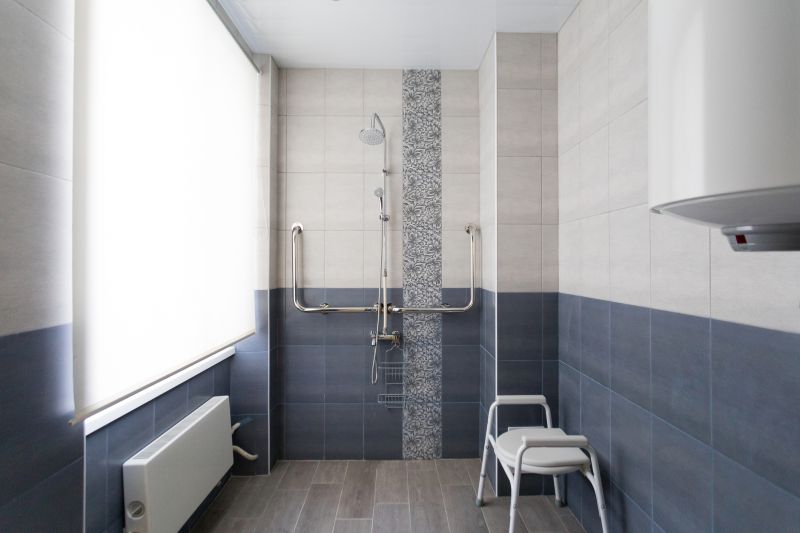
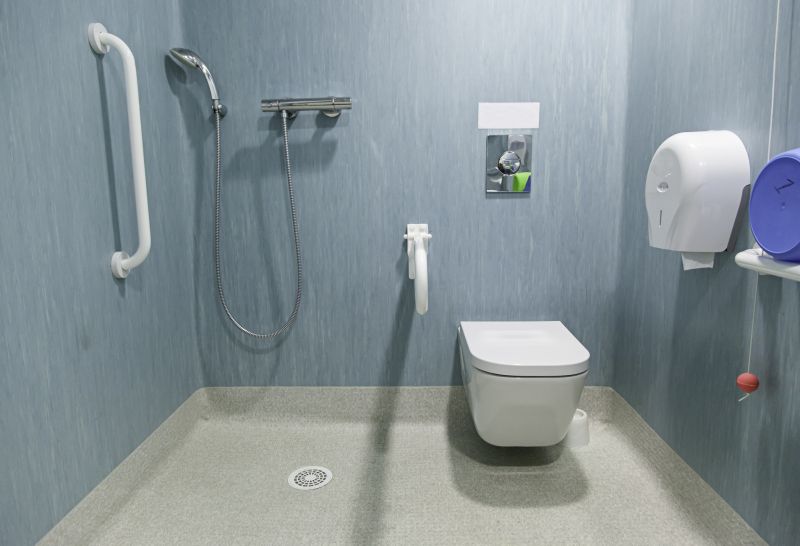
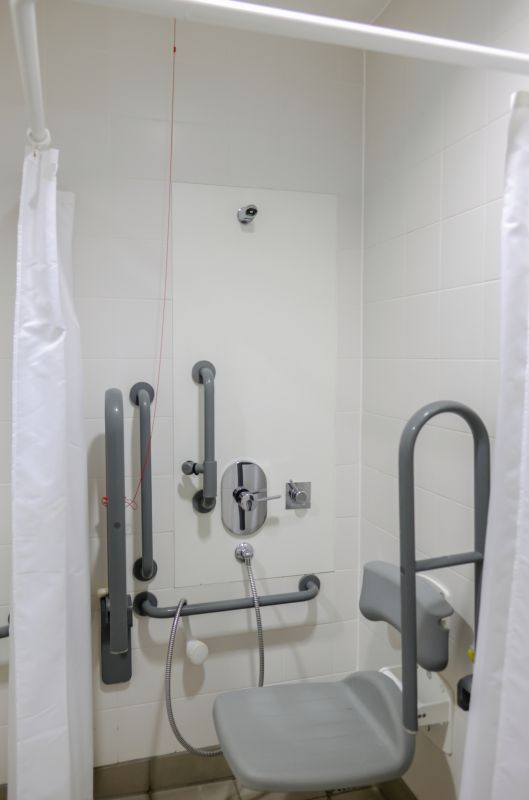
Disability shower installation services involve customizing bathroom showers to accommodate individuals with mobility challenges or disabilities. This typically includes replacing existing showers with accessible designs that feature low or no thresholds, wider entryways, and ergonomic fixtures. Service providers focus on creating a safe, comfortable environment that allows for easier access and reduces the risk of slips and falls. These installations are tailored to meet specific needs, whether for temporary recovery or long-term accessibility, ensuring that users can maintain independence in their daily routines.
Many common problems prompt the need for disability shower installations. Homeowners or caregivers might notice difficulty entering or exiting traditional showers due to height, narrow openings, or the presence of steps. In addition, issues like unstable footing, lack of grab bars, or difficulty reaching fixtures can make bathing unsafe or uncomfortable. Installing an accessible shower can resolve these issues by providing a safer, more functional space that minimizes hazards and enhances ease of use. Service providers can help evaluate existing bathrooms and recommend solutions that improve safety and accessibility.
Disability shower installation services are often sought for a variety of property types. Residential homes, especially those with aging residents or individuals with mobility impairments, frequently require these modifications. Assisted living facilities and retirement communities may also invest in accessible shower upgrades to meet residents’ needs. Additionally, some multi-family housing or rental properties incorporate accessible showers to comply with accessibility standards or to provide more inclusive living environments. Local contractors experienced in these installations can adapt to different property layouts and ensure proper setup.
Understanding when a disability shower installation might be necessary can help homeowners determine if an upgrade is appropriate. Signs include difficulty stepping into the shower, the need for support bars, or concerns about slipping. If a household member has a temporary injury or chronic condition that affects mobility, a temporary or permanent accessible shower can significantly improve safety and comfort. Contacting local service providers can help identify suitable options and ensure that the installation meets individual needs. These professionals can provide practical solutions to enhance bathroom safety and usability for those with mobility challenges.
The overview below groups typical Disability Shower Installation projects into broad ranges so you can see how smaller, mid-sized, and larger jobs often compare in your area.
In many markets, a large share of routine jobs stays in the lower and middle ranges, while only a smaller percentage of projects moves into the highest bands when the work is more complex or site conditions are harder than average.
Smaller Repairs - Basic modifications or repairs to existing shower setups typically cost between $250 and $600. Many routine jobs fall within this middle range, depending on the scope of work and materials needed.
Partial Installations - Upgrading or replacing specific components of a shower, such as a shower seat or grab bars, usually range from $600 to $1,500. Larger, more complex projects in this category are less common but can reach higher costs.
Full Shower Replacement - Complete installation of a new shower enclosure generally falls between $2,000 and $5,000. Many local contractors handle these projects within this range, though larger or custom designs can be more expensive.
Custom or Complex Projects - Highly customized or intricate shower installations can exceed $5,000, especially if they involve specialized features or extensive remodeling. Such projects are less frequent but represent the higher end of typical costs.
Actual totals will depend on details like access to the work area, the scope of the project, and the materials selected, so use these as general starting points rather than exact figures.
Bathroom Accessibility Renovations - local contractors who specialize in making bathrooms more accessible often handle shower modifications and installations for disabled individuals.
Walk-in Bathtub Installations - professionals experienced in installing walk-in tubs have skills similar to those needed for accessible shower setups.
Home Modification Projects - service providers who perform broader home modifications for mobility often work on shower and bathroom accessibility enhancements.
Plumbing and Fixture Upgrades - local plumbers and fixture specialists who upgrade bathroom plumbing are familiar with installing accessible shower components.
Barrier-Free Shower Design - contractors skilled in designing barrier-free or curbless showers work with similar planning and installation techniques as disability shower projects.
Senior Living Bathroom Remodels - professionals remodeling bathrooms for senior residents often incorporate accessible shower features and related modifications.
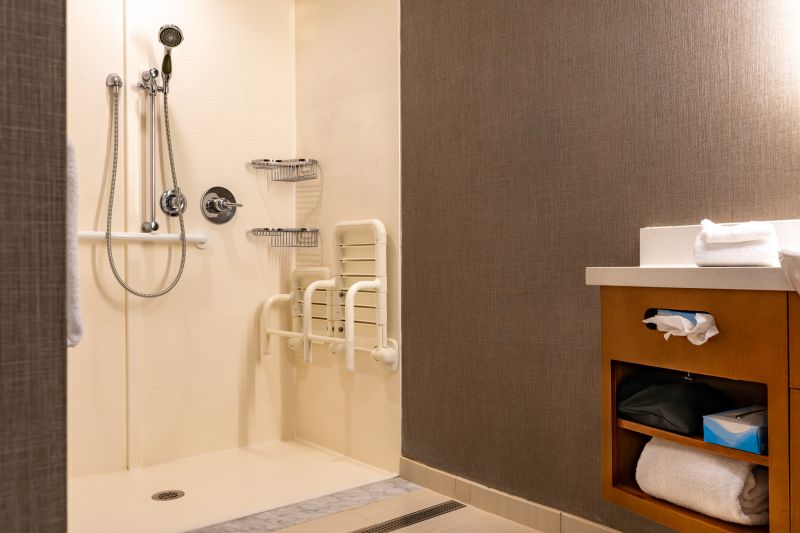
When comparing service providers for disability shower installation, it is important to consider their experience with similar projects. Homeowners should look for local contractors who have a proven track record in installing accessible showers, as familiarity with the specific requirements can contribute to a smoother process and a successful outcome. Asking about the number of comparable projects completed can help gauge their expertise and confidence in handling the unique aspects of disability-friendly bathroom modifications.
Clear written expectations are essential when evaluating potential service providers. Homeowners should seek detailed proposals or estimates that outline the scope of work, materials to be used, and any relevant project specifications. Having this information in writing helps ensure that both parties are aligned on the project's goals and reduces the chances of misunderstandings or surprises during the installation process.
Reputable references and good communication are key factors to consider when selecting local contractors. Asking for references from previous clients who had similar work done can provide insight into the quality of craftsmanship and professionalism. Additionally, service providers who maintain open, prompt, and transparent communication are more likely to be responsive to questions and concerns throughout the project. It is important to remember that these local pros are independent specialists who can handle the installation, but the site itself functions solely as a resource to connect homeowners with qualified options in the area.
Property owners use Disability Shower Installation services for practical projects around their homes and businesses. This guide focuses on everyday jobs and straightforward project options.
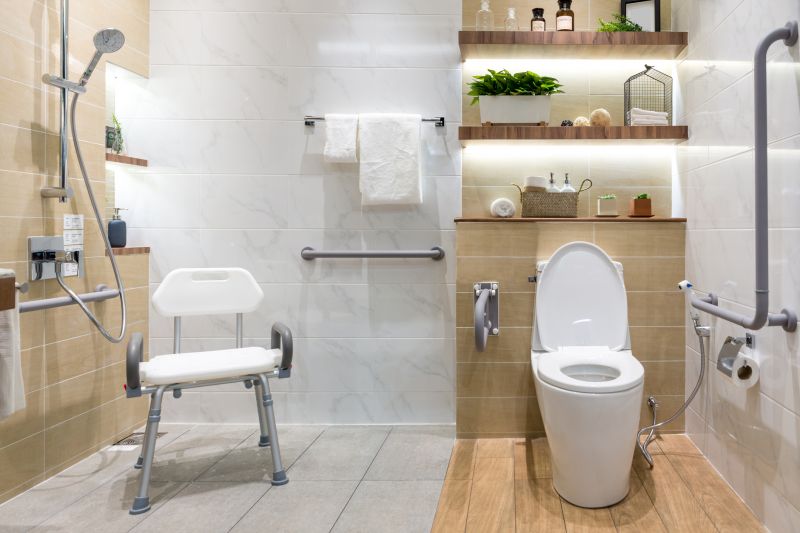
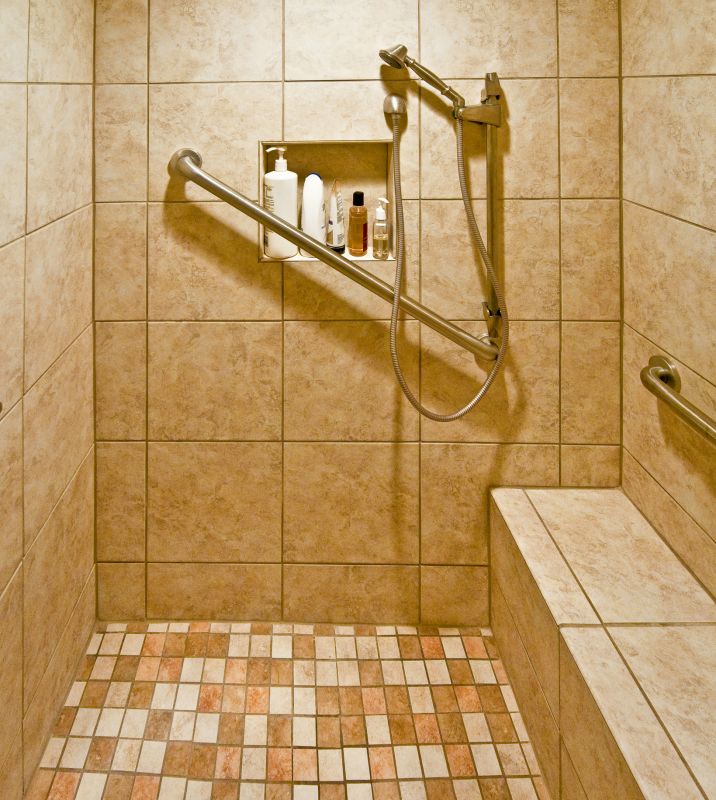
Disability shower installation services are often needed when property owners are looking to improve accessibility in their bathrooms. Whether it's for aging residents, individuals with mobility challenges, or those recovering from injury, local contractors can help make showers safer and easier to use. Common situations include replacing existing showers with walk-in designs, installing grab bars, or adding seating to create a more functional space that supports independence and comfort.
Many property owners seek these services to adapt their homes for future needs or to comply with accessibility preferences. Local service providers are equipped to handle a variety of installation projects, ensuring that bathrooms meet practical requirements while maintaining style. Connecting with experienced contractors can help address everyday situations where enhanced shower accessibility makes a significant difference in daily life.
What types of disability shower installations do local contractors provide? Local service providers offer a range of options including walk-in showers, roll-in showers, and shower modifications to accommodate various accessibility needs.
Can local contractors customize shower installations for specific disabilities? Yes, many local pros can tailor shower setups with features like grab bars, seating, and non-slip surfaces to meet individual accessibility requirements.
Are there different options for walk-in or barrier-free showers? Yes, local service providers can install barrier-free or low-threshold showers to improve safety and ease of access for users with mobility challenges.
What features can be added to improve safety during shower use? Local contractors can incorporate safety features such as grab bars, slip-resistant flooring, and built-in seating to enhance safety and comfort.
How do local pros ensure the shower installation meets accessibility needs? They assess the space and specific requirements to recommend and install features that support safe and independent shower use for individuals with disabilities.
Accessible Shower Installations - Property owners can upgrade existing bathrooms to include accessible showers that accommodate mobility needs and improve daily convenience.
Walk-In Shower Solutions - Installing walk-in showers can make bathing safer and easier for individuals with limited mobility or balance concerns.
Custom Shower Designs - Homeowners may work with local contractors to create personalized shower spaces that suit specific accessibility requirements.
Barrier-Free Shower Options - Service providers offer barrier-free shower setups that eliminate thresholds, making entry and exit simpler for all users.
If you are thinking about Disability Shower Installation for a property, this guide is meant to help you understand the work, the typical project types, and how different options might fit your plans.
When you are ready, you can use the quote form on this page to share a few details about your project. From there, local pros can review the basics and respond with options that match what you have in mind.